
Most ways to earn from home come down to one question: can you promise your hours? A live tutoring lesson needs set times, while transcription on Rev, once you’re approved, only needs a quiet, focused stretch.
To decide how to make money as a stay at home mom, start with work that fits your skills and your hours: tutoring on Wyzant, transcription on Rev, selling on Etsy or eBay, or caring for pets or children if your household has room for it. A game rewards app like Snakzy (our app) is a small extra on top, not part of your bill-paying plan.
How to make money as a stay at home mom on your schedule
Eight routes made the list. Paid work and selling come first, because those are what to look at for money toward the household; game rewards come last.
| Method | What you need | How you’re paid | When you’re paid | The catch |
|---|---|---|---|---|
| Rev transcription | Computer, reliable internet, strong English | PayPal, $0.40 to $1.10 per recorded minute | Weekly, for approved work | A waitlist to get in |
| Wyzant tutoring | Subject approval, US work eligibility, over 18 | Direct deposit, 75% of your rate | The 1st and 15th of the month | 25% platform fee |
| Etsy handmade products | Products you make or design | Bank deposit | Mondays by default, after a 14-day wait for new sellers | Listing, transaction and processing fees |
| Etsy digital downloads | Files you made or designed | Bank deposit | Daily, weekly, every two weeks or monthly | Buyers may still need help |
| eBay reselling | Things you own and can sell | Sale proceeds | Not stated | 13.6% final-value fee in most categories |
| Rover pet care | Time for pet care, SSN, bank details | Direct deposit, 80% of a booking | Processing starts 2 days after the service | 20% provider fee |
| Home child care | Room for it at home, local licensing | Payments you agree with families | As you agree | Licensing rules vary by place |
| Snakzy (our app) | A free account, an Android phone | PayPal, gift cards | Once you reach the minimum | Android only |
Each payment schedule starts after something happens, like approved work or a finished service. Rev pays weekly, but only once you’re approved, and on Etsy a sale first has to become eligible, then the deposit is sent, then the transfer reaches your bank.
Play Games, Earn Real Rewards
Discover new mobile games in our app, earn coins for milestones and tasks, then redeem them for gift cards you can spend on the games you actually want.
Start Earning NowCheck the hours and costs you can commit
The most useful side hustles for moms fit the time you have and don’t depend on long, uninterrupted hours you can’t promise.
- Hours you can protect. Book live appointments only for times you can keep, and be honest about whether recording work will get the concentration it needs.
- Money you keep. Count platform fees, materials and other direct costs when you decide whether a job or a sale is worth it.
- Room in the household. Treat care work separately from computer work, because it makes you responsible for another person or an animal.
1. Rev: transcribe recordings in focused stretches
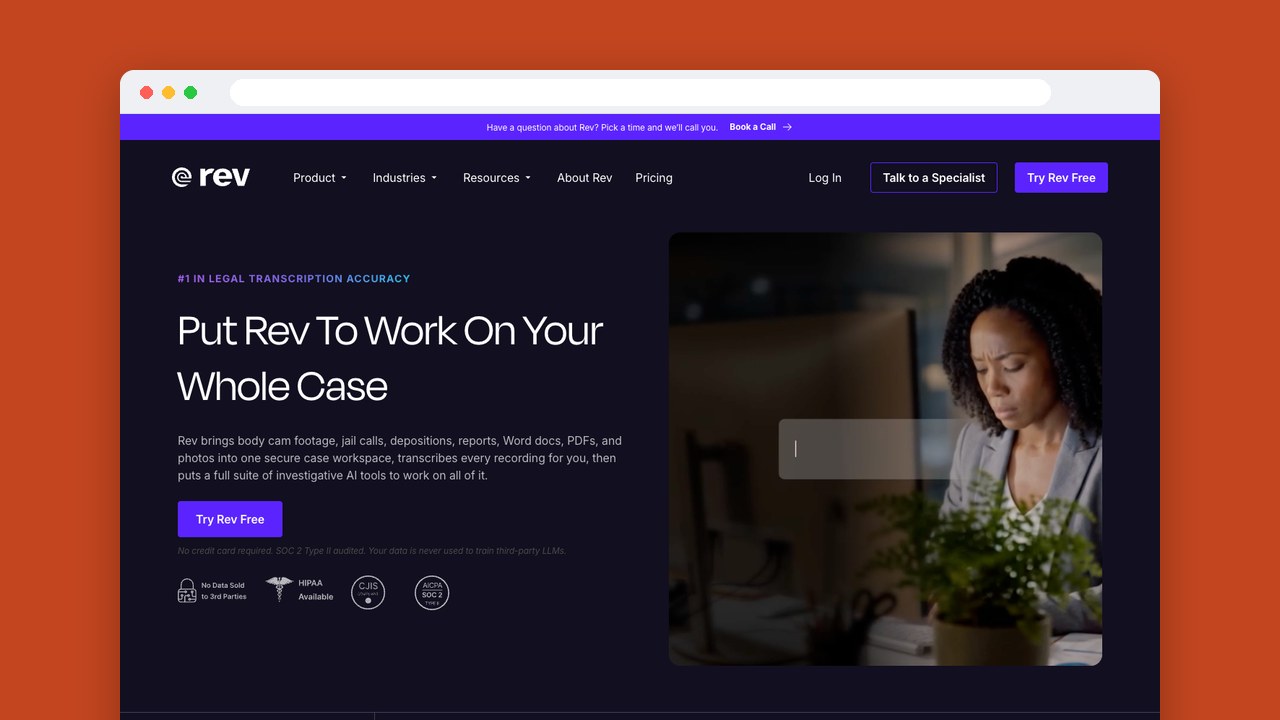
Rev suits you if you can listen carefully and type accurately when you get a focused stretch. Transcription means typing recorded speech, labeling speakers and following formatting guidelines, so typing speed is only part of it.
Rev advertises $0.40 to $1.10 per recorded minute, not per minute you spend working, and your working time includes the listening, the typing and getting the format right. Captioning, subtitle translation and legal transcription are separate roles with their own skill requirements and advertised rates.
There’s a waitlist right now, but you can still apply, and the application includes a skills assessment and a work sample. Once you’re approved, you choose when and how much you work, with no minimum.
- What you need: A computer, reliable internet and strong English.
- Time to first money: Weekly PayPal payments for approved work, once you’re through the waitlist and approved.
- The catch: You join a waitlist before you can start.
2. Wyzant: online lessons at times you can keep
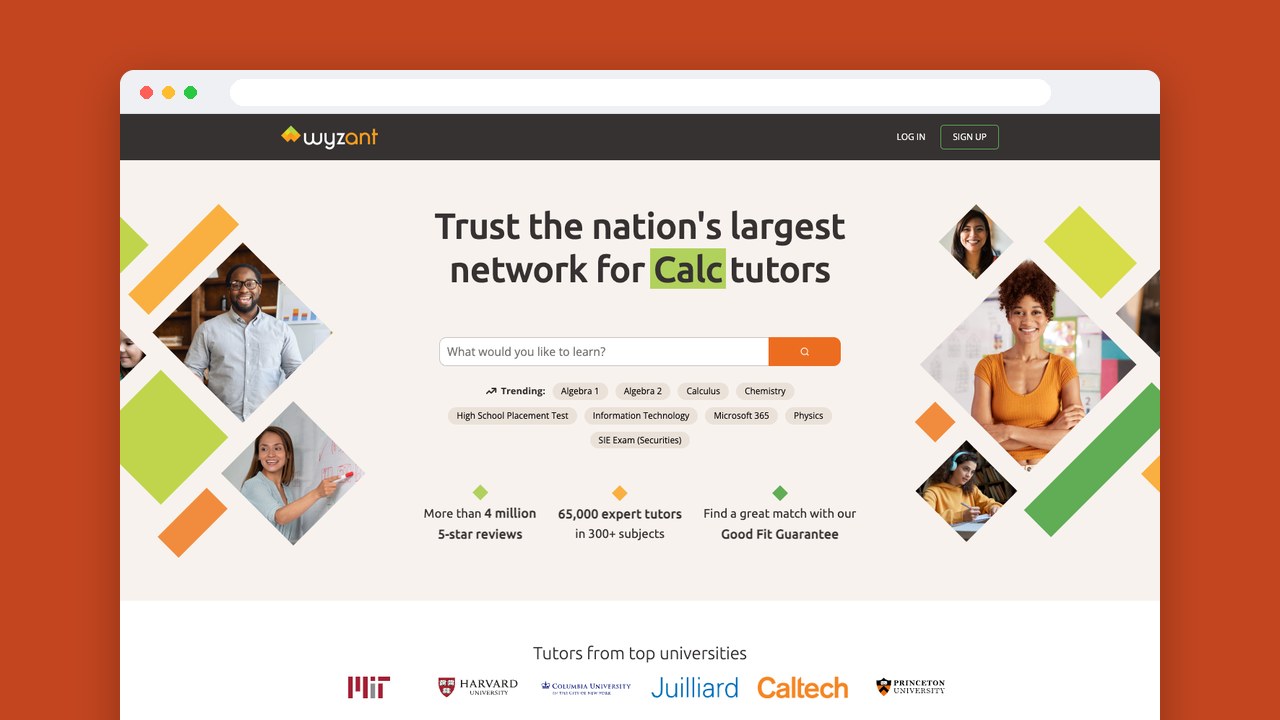
Wyzant runs live online tutoring through its Learning Studio. We like it if you have a subject you can teach and lesson times you can reliably keep.
You set your hourly rate, but the 25% platform fee leaves you 75%, before taxes. So price around what you keep, not the rate students see. Before every lesson, including repeat ones, check that the student has valid payment information.
- What you need: Approval for your subject, the right to work in the US, and you have to be over 18.
- Time to first money: Direct deposits go out on the 1st and 15th, or the next business day, and your bank decides how long they take to arrive.
- The catch: A lesson has to be logged in Wyzant at least five days before a payment date to be paid in that run.
3. Etsy: sell things you make
Selling handmade products makes sense if you already make something you can produce consistently. Your price has to cover materials, your time and selling costs before you expand your range.
Etsy charges $0.20 to publish or renew a listing, even if it doesn’t sell. Its 6.5% transaction fee applies to the item price plus any shipping and gift wrapping you charge, and payment processing has its own fees. You may also see a one-time setup fee you can’t get back when you open the shop.
- What you need: Products you make or design.
- Time to first money: For new sellers, the money from a sale generally becomes eligible for deposit 14 days later, sometimes longer. Deposits go out on Mondays by default, and a standard bank transfer takes one to five business days after that.
- The catch: A finished order can still be more than two weeks away from your bank.
4. Etsy digital downloads: files that deliver themselves
Digital products take storage and shipping out of the job. Etsy’s examples include sewing patterns, party printables and résumé templates, so this is worth a look if design is already one of your skills.
Ready-made files are available to the buyer right after purchase, while custom files mean working to the buyer’s specifications. If your free time changes from day to day, we’d stick to ready-made files. Build your design time and Etsy’s fees into the price.
- What you need: Files you made or designed, up to five per listing, each 20MB or smaller.
- Time to first money: The shop’s payment wait still applies, with deposits daily, weekly, every two weeks or monthly.
- The catch: Buyers may still need help using the files, so customer support is part of the work.
5. eBay: sell what you already own

We’d sell things you already own before buying stock to resell, so you can see what the work is like without buying more first. eBay generally gives you up to 250 listings a month with no insertion fee, then charges $0.35 a listing in most categories.
Selling fees still apply. In most categories, the final-value fee is 13.6% on amounts up to $7,500 an item, plus a per-order charge, worked out on the item price plus the shipping and sales tax you collect.
eBay’s own example is a used phone: a $400 sale has a $424 fee base once sales tax is included, costs $58.41 in fees and leaves you $341.59 before shipping. That last figure is the one to judge an item by.
- What you need: Things you own and can sell.
- Time to first money: No payout time is given.
- The catch: Fixed-price listings renew every month and may be charged insertion or upgrade fees again, so check the renewal settings before you publish.
6. Rover: pet care, if you have the time for it
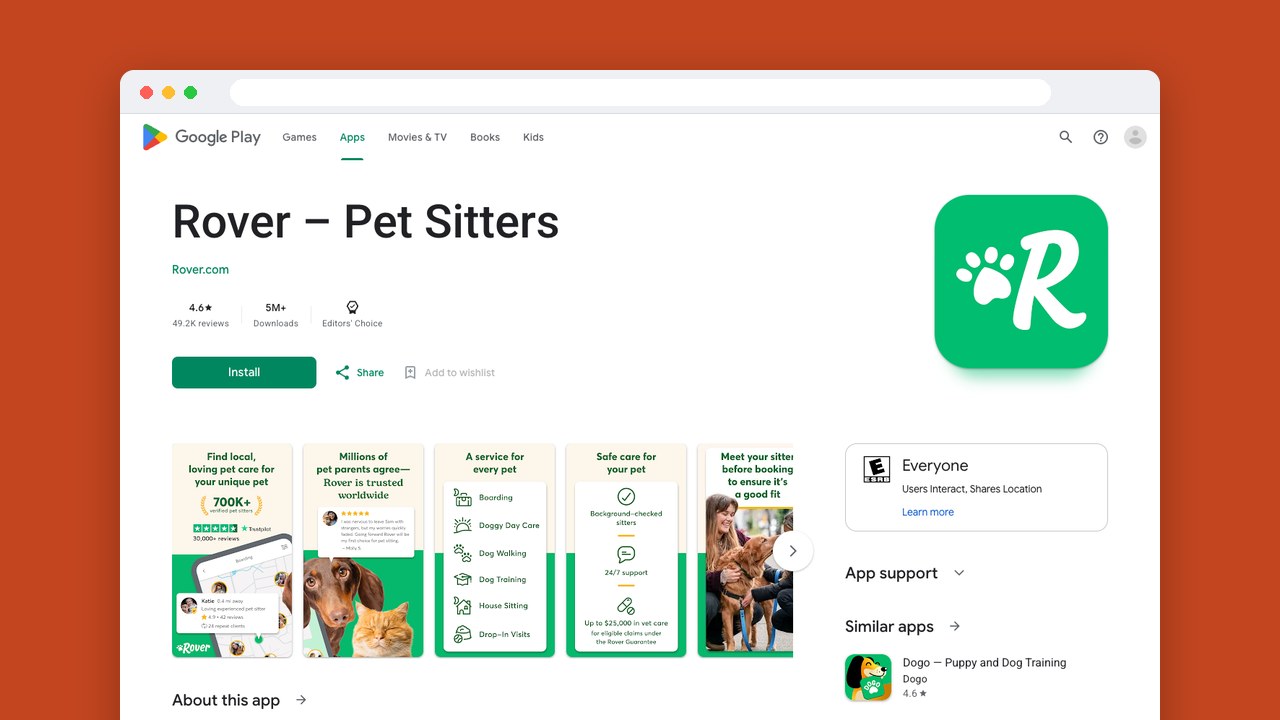
Rover is worth it if you have time set aside for pet care. Before you accept a booking, think about whether you can meet its demands alongside everything else, and don’t assume it’ll fit around looking after your children.
Rover’s standard provider fee is 20% a booking, so you keep 80%. Fees are different in California and for some US pilot participants, so judge a booking by the rate on your account.
- What you need: Time for pet care, plus your SSN and bank details, provided through Stripe.
- Time to first money: Processing starts two days after the service ends. Stripe then pays you by direct deposit, which can take up to five business days to arrive.
- The catch: Payment only starts once the service is over, so a booking made well in advance isn’t money you have yet.
7. Home child care: licensed care for a small group
Family child care means looking after a small group of children in your own home. It suits you if you want the caring itself to be your paid work and you’re ready to meet the local rules.
State and territory rules set when you need a license and how many children you can take, including infants and toddlers. Some places require a license for more than one unrelated child, while others set the line at six or more, so how many places you can offer depends on where you live.
Licensed providers have to meet health and safety requirements, including training like CPR and first aid, and pass criminal background checks. Evening or weekend care is an option if those hours suit you.
- What you need: Room in your household to provide care, and the local requirements met.
- Time to first money: Whatever payment terms you agree with families before you accept them.
- The catch: Check the licensing thresholds and child limits where you live before you advertise.
8. Snakzy (our app): small game rewards for short breaks
Full disclosure: Snakzy is our app. More than 1 million players have joined it, and they have collectively redeemed over $1.2 million in rewards as of June 2026.
If your short breaks already go to games on your phone, Snakzy gives you points for playing puzzle, solitaire, match-3 and other games, through sessions, milestones and challenges. You can redeem them for PayPal or gift cards once you reach the minimum, which makes it a low-effort extra next to paid work. It’s open to players 18 and over, on Android only.
- What you need: A free account, with no purchase required. Surveys are optional.
- Time to first money: No payout time is given. You redeem once you reach the minimum.
- The catch: The rewards are small.
Skip offers that ask you to move money or packages
The FTC warns that promises of a lot of money, fast, for little work are almost certainly scams. Look at what an offer actually asks you to do and how it pays, not the big figure in the ad, especially if it promises to fit easily around family life.
A so-called job that has you receive, repackage and forward goods is a reshipping scam. Fake caregiver and virtual-assistant offers may instead ask you to deposit a check, keep some of the money and send the rest on.
A check that seems to clear can still bounce later, and then the bank can make you pay it back. So never pay for the promise of a job, and never forward money from a supposed employer’s check, including as gift cards.
Before you accept an offer, search the company’s or the person’s name with the words scam, review or complaint, and talk it over with someone you trust before any money changes hands.
Let the first payment guide your next step
If you can keep set appointment times, look at tutoring first. If your focused time comes at different hours, transcription lets you control your workload once you’re approved, as long as Rev’s waitlist fits your plans. Selling suits you if you’d rather make or list things than keep live appointments, and care work needs an honest look at what your household can handle before you take any booking.
Then try one job, booking or sale, and write down the agreed payment, the fees, your direct costs and the steps before the money reaches you. When it arrives, compare what you kept with all the time it took, and take on more only if that works for your week.
Related posts




Play to earn
Your Next Game, On Us
Play mobile games in Snakzy, earn coins as you go, and turn them into gift cards for the store of your choice.
Get Started Free